
How to Read a Roofing Estimate Line by Line
A good roofing estimate tells you which roof system is being priced, not merely what it costs. Before comparing bids in Northern Virginia, look for the measured roof area, named products, tear-off and disposal, underlayment and leak-barrier locations, flashing, ventilation, a decking unit price, warranty terms, and the payment schedule.
Three contractors can inspect the same roof and return three very different totals. That does not automatically make one overpriced or another a bargain. The difference may be in what each contractor plans to remove, install, replace, reuse, or leave undefined.
In other words, compare scope with scope before you compare total with total. A detailed proposal should let you understand what you are buying before work begins. For a full roof replacement in Northern Virginia, it should describe the layers and details beneath the shingles as clearly as it describes the shingles.
The Line Items, Decoded
1. Squares and the Material Specification
Roofers commonly measure roof area in squares, and one roofing square equals 100 sq ft of roof surface. But a quote saying only “30 squares of architectural shingles” is incomplete. It should identify the manufacturer, product line, color or selection process, and relevant accessories. “Architectural shingle” describes a category, not the exact product you are buying. Named products make competing estimates easier to compare and give you something concrete to check against delivery paperwork and warranty documents later.
2. Tear-Off and Disposal
Find out exactly what the contractor is removing. A replacement estimate should say whether the existing roof covering will be torn off, how many known layers are included, and whether hauling, disposal, jobsite cleanup, and related labor are part of the price. Disposal should not appear as an unexpected charge after work starts. Rain Guard Roofs’ replacement scope uses full tear-off so the roof deck can be exposed and inspected instead of leaving its condition hidden beneath another layer.
3. Underlayment Type
“Underlayment included” is not enough detail to compare proposals. The estimate should identify the product, or at least the specific type, and explain where it will be installed. Underlayment sits between the roof deck and finished covering as another protective layer in the assembly. Requirements vary with the roofing system and roof slope, so the written scope should match the material specification rather than leaving the crew to select an unspecified product on installation day.
4. Ice-and-Water Shield Placement
A line for “ice and water” should say where the membrane will be installed. Eaves, valleys, penetrations, and other vulnerable details may need different treatment based on the roof, manufacturer instructions, and applicable code. Two estimates do not necessarily include the same protection just because both use the phrase “ice-and-water shield.” Ask for the proposed locations in writing. Installation should follow the selected roofing system’s requirements and the code provisions that apply to that project.
5. Flashing
Be cautious with a blanket instruction to “reuse existing flashing.” Sound components do not automatically need to be discarded, but flashing should be evaluated by condition and reconstructed wherever the roofing detail requires it. Virginia’s reroofing provisions specifically prohibit reinstalling certain existing flashing components when they are rusted, damaged, or deteriorated. A quote that assumes every old piece will be reused before tear-off has skipped that evaluation. The scope should clearly address chimneys, walls, valleys, vents, and other penetrations.
6. Ventilation
A roof estimate should explain what happens to the existing ventilation system. If ridge vent is removed during tear-off, the proposal should say whether it will be replaced and how intake and exhaust will work together. Adding exhaust without enough intake does not create a properly balanced attic ventilation system. The estimate need not bury you in calculations, but it should identify the included ventilation components rather than treating ridge vent as an automatic accessory unrelated to the attic.
7. Decking Allowance as a Unit Price
Decking is a cost that cannot always be known before tear-off because much of the wood remains hidden below the existing roof. A clear way to handle that uncertainty is a unit price: the estimate states what each replacement sheet or other defined unit will cost if damaged decking is uncovered. You then pay for the quantity actually required. Rain Guard Roofs uses this approach on replacement scopes so concealed deterioration does not become an undefined “extra repairs” charge after the roof is open.
8. Warranty Terms
Do not accept the word “warranty” by itself. Ask which warranty is being discussed, who provides it, what products or workmanship it covers, what exclusions apply, whether registration is required, and what documents you receive at completion. Manufacturer material coverage and contractor workmanship coverage are different. Enhanced manufacturer coverage may also have its own system and contractor requirements. Compare the written documents, not verbal descriptions such as “lifetime.” See roofing warranties explained before comparing warranty language between proposals.
9. Payment Schedule
The estimate or resulting contract should state the deposit, progress-payment amounts, what triggers each payment, and the final balance. Virginia residential-contracting rules require written contracts to identify the down payment and progress-payment schedule. Payments tied to identifiable stages give you something objective to follow and are safer than a vague request for large sums on arbitrary dates. If financing is needed, review the written scope first, then compare available roof financing options against a known project price.
Red Flags
A low total can become an expensive roof when too much of the scope is undefined. Watch particularly for these five problems:
- “Repairs as needed.” This gives you no unit, quantity, approval process, or pricing method. Ask what type of repair could be required and how additional work will be priced and documented before it proceeds.
- No decking unit price. Nobody can see every square foot of concealed decking before tear-off. That uncertainty is real, but leaving the price undefined transfers all of it to you. The proposal should state the unit price before the roof is opened.
- No product names. “Premium shingles,” “synthetic felt,” and “ice shield” are descriptions, not specifications. If products can be substituted without being identified, you cannot fairly compare the estimate or confirm what arrived at the property.
- A deposit over 50%. Treat this as a serious warning sign—not as a statement that Virginia law establishes a 50% maximum. Virginia DPOR’s consumer guidance is considerably more conservative: it advises homeowners to limit initial deposits and generally recommends about 10% or $1,000, whichever is less, with a higher guideline for legitimate custom or special-order work.
- A discount that expires today. A roofing decision should survive overnight. Virginia DPOR specifically warns consumers about high-pressure offers and “good today only” tactics. A contractor may have legitimate scheduling or manufacturer-promotion dates, but you should be able to understand the scope before being pressured to sign.
How to Compare Three Quotes Fairly
Virginia DPOR recommends getting written estimates from at least three contractors when possible. That only helps if you normalize the scopes before deciding which number is lower.
Use a comparison sheet like this:
| Item | Quote A | Quote B | Quote C | What to verify |
|---|---|---|---|---|
| Roof measurement | Same approximate roof area/squares? | |||
| Shingle/product | Manufacturer and exact product named? | |||
| Tear-off | Number of layers and disposal included? | |||
| Underlayment | Exact type/product identified? | |||
| Ice-and-water shield | Locations stated? | |||
| Flashing | New, reconstructed, or reused by condition? | |||
| Ventilation | Intake and exhaust scope identified? | |||
| Decking | Unit price stated before tear-off? | |||
| Cleanup/disposal | Included in contract price? | |||
| Warranty | Manufacturer vs workmanship terms clear? | |||
| Deposit | Amount clearly stated? | |||
| Progress payments | Tied to defined milestones? | |||
| Final price | What can legitimately change it? |
Do this before focusing on the totals. Quote A, for example, may look $2,000 cheaper while omitting flashing replacement, leaving decking open-ended, naming no shingle product, and excluding disposal. Quote B may have the higher number because those costs are already defined.
That does not automatically make Quote B better. It means the two numbers are not yet comparable.
Also compare quantities. If one contractor measures substantially more roofing squares than the other two, ask why. Roof geometry, waste, valleys, starter material, ridge caps, and other details affect ordering, but a large measurement difference deserves an explanation.
The same applies to upgrades. One quote may include a different shingle tier, underlayment system, ventilation work, or warranty package. Separate genuine upgrades from basic scope differences before deciding whether the added cost matters to you.
A preliminary roof cost calculator can help establish a planning range, but it cannot see concealed decking, roof complexity, flashing condition, access problems, or the exact system being proposed. The written estimate is where those details belong.
Finally, ask each contractor the same question:
“What could make this final price change after I sign?”
A strong estimate has a short, specific answer. Concealed decking is one common example, and the pricing method should already be in the contract. A weak estimate leaves broad categories open for later interpretation.
Read the Scope Before You Read the Total
A roofing estimate is valuable because it reduces uncertainty before construction begins.
The total matters, but the lines above it explain what the total actually buys. Named materials let you compare the finished system. Tear-off exposes the deck. Underlayment and leak barriers protect below the visible covering. Flashing manages transitions. Ventilation manages attic airflow. Decking unit prices control an unavoidable unknown. Warranty language explains what happens after installation. The payment schedule explains when money changes hands.
That is why the most detailed estimate is not necessarily the most expensive estimate. Sometimes it is simply the one that has already accounted for work another proposal leaves vague.
Rain Guard Roofs provides written roofing scopes so you can see what is included before choosing how to move forward.
Roofing Estimate FAQs
What should a roofing estimate include?
A roofing estimate should identify the roof measurement, roofing products, tear-off and disposal, underlayment, leak-barrier placement, flashing, ventilation, treatment of damaged decking, warranty terms, total price, and payment schedule. It should also explain what conditions can legitimately change the price after work begins rather than relying on vague allowances.
Is the cheapest roofing estimate usually the best choice?
No. First determine whether all estimates describe the same scope. A lower proposal may omit disposal, flashing, ventilation work, named materials, decking pricing, or warranty coverage included elsewhere. Once the scopes are normalized, you can compare actual price differences instead of comparing totals for three different roofing systems.
How much should I put down on a roofing contract in Virginia?
Virginia DPOR advises consumers to keep initial deposits limited. Its current guidance suggests about 10% or $1,000, whichever is less, in ordinary circumstances and up to 30% where custom-made items or special orders justify a larger initial payment. The written residential contract should state both the down payment and progress-payment schedule.
Get a Roofing Scope You Can Actually Compare
If you are reviewing a roofing estimate in Northern Virginia, Rain Guard Roofs can inspect the roof and put the proposed work in writing so you know what is—and is not—included.
Call Rain Guard Roofs at (571) 867-1776 or book your free inspection.
Keep planning
Related roofing guides

Estimate guide
Why Roofing Quotes Vary by $10,000
See why totals differ when proposals do not include the same scope.Read the guide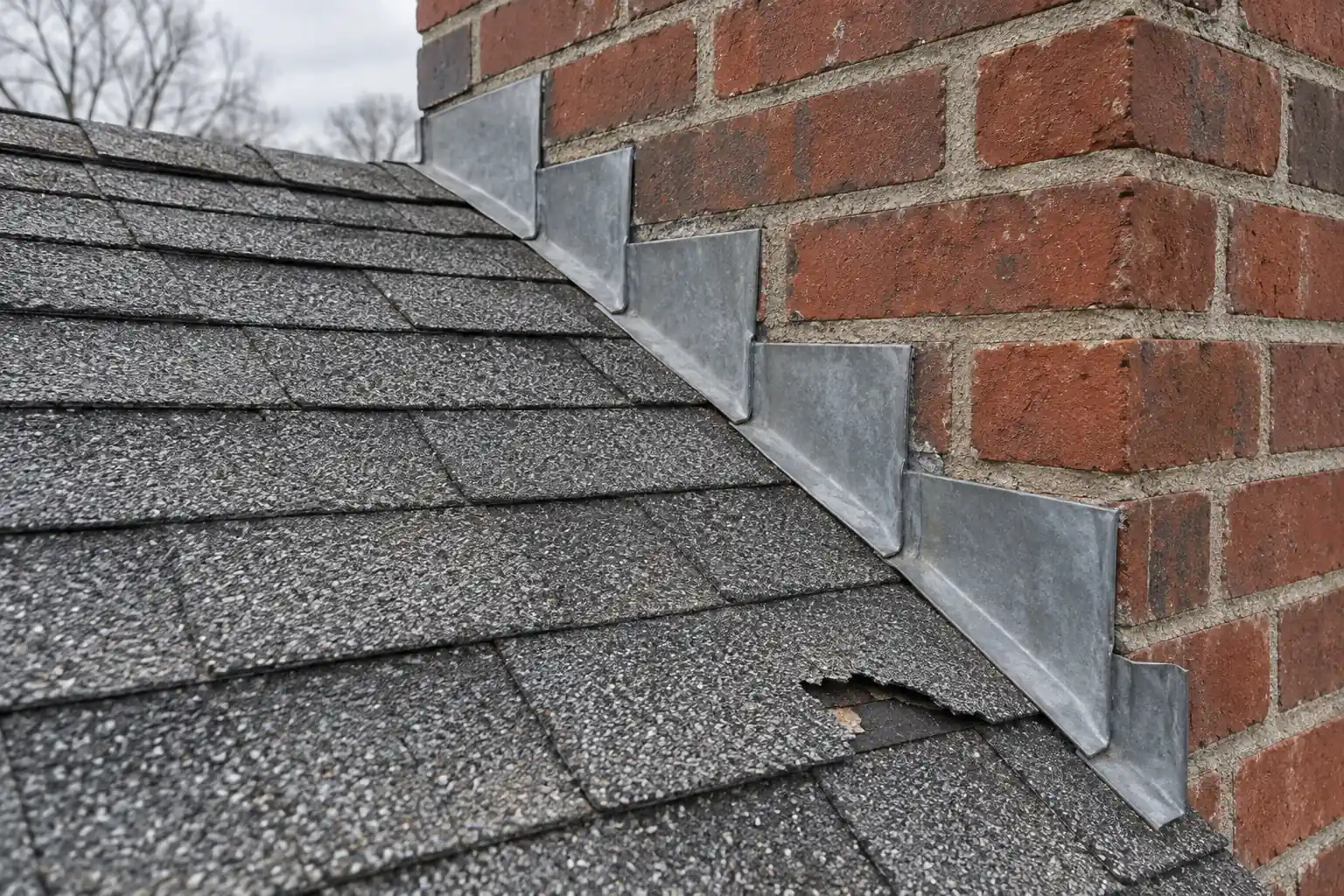
Repair cost