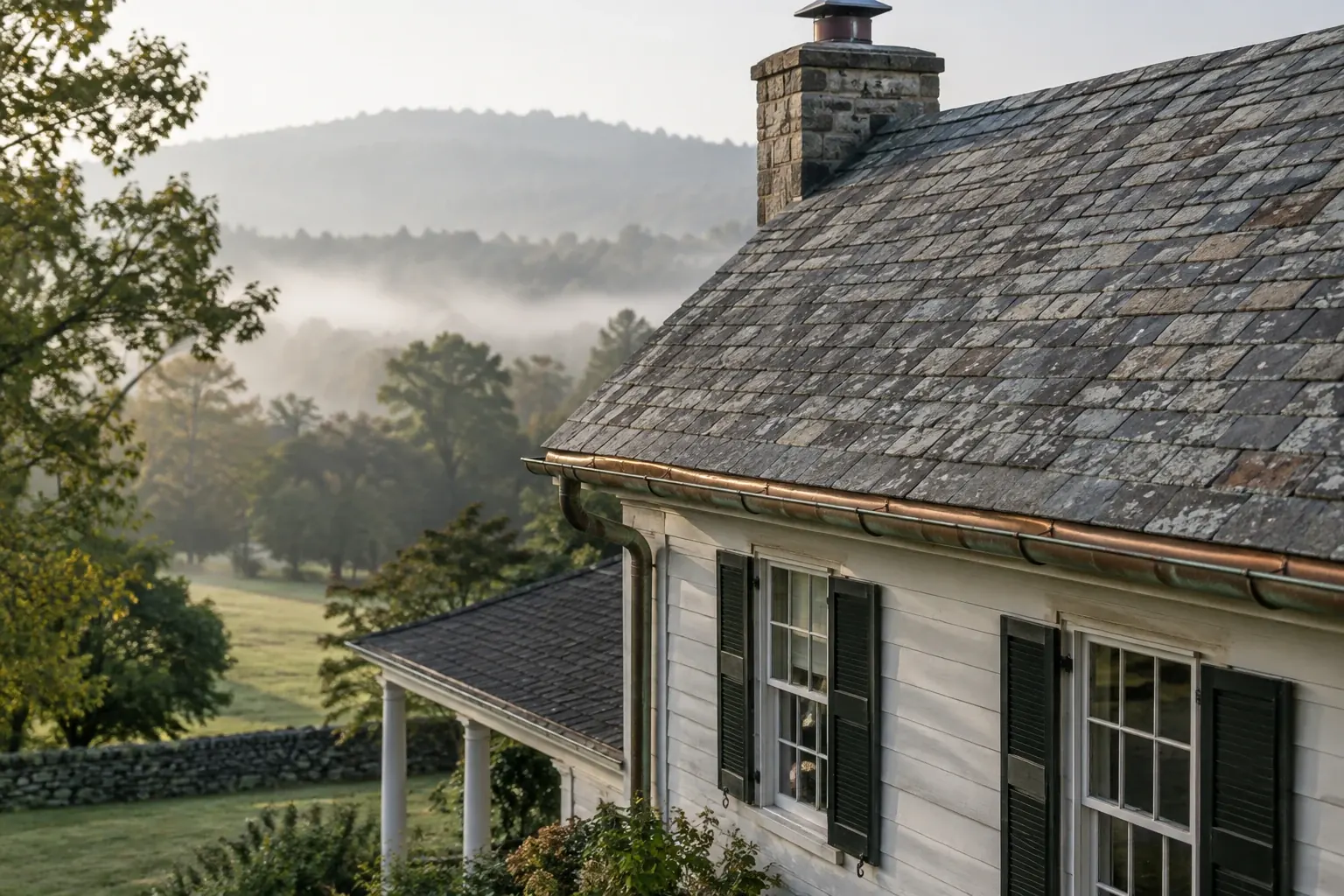
How Long Does a Roof Last in Virginia?
A roof in Virginia does not have one fixed lifespan. Material type, installation quality, attic ventilation, shade, humidity, storms, and maintenance all affect how long it continues protecting the home. Asphalt shingles, metal, slate, cedar, and composite roofing each age differently, so the best estimate starts with the material installed and its current condition.
A roof installed in Virginia faces a combination of conditions that can accelerate aging: humid summers, temperature swings, freeze-thaw cycles, storms, tree cover, and moisture retention. Two roofs installed in the same year can have very different remaining life depending on exposure and maintenance.
For homeowners trying to decide whether they need a repair, inspection, or replacement, roof age is only the starting point. The more important question is how much useful life the current roof system still has.
A roof's age is a planning reference, not a replacement deadline. Its material, installation, exposure, and present condition determine what should happen next.
Rain Guard Roofs evaluates roof condition through inspection and documentation so homeowners can understand whether a problem is isolated or whether the roofing system is approaching replacement.
For more information about replacement decisions, see our guide on roof replacement in Northern Virginia.
Roof Lifespan by Material
The expected life of a roof depends heavily on the material. The ranges below reflect typical planning estimates and assume proper installation, normal maintenance, and conditions appropriate for the product.
| Roofing material | Typical lifespan in Virginia | Factors that affect lifespan |
|---|---|---|
| Asphalt shingles | Varies by product and condition | Ventilation, color, algae growth, storm exposure, installation quality |
| Standing seam metal roofing | Varies by product and condition | Coating condition, fasteners, installation details |
| Composite shake roofing | Varies by product and condition | UV exposure, installation, impact damage |
| Cedar shake roofing | Varies by product and condition | Moisture management, shade, maintenance |
| Slate roofing | Varies by material and detailing | Slate quality, flashing, supporting structure |
These numbers should be treated as planning ranges, not expiration dates. A roof does not automatically fail because it reaches a certain birthday. Some roofs require replacement earlier because of repeated leaks, storm damage, poor ventilation, or installation problems. Others continue performing well because they were installed correctly and protected from damaging conditions.
The condition of the supporting components matters too. A roof covering is only one part of the system. Underlayment, flashing, ventilation, decking, and drainage details all influence whether the roof continues performing as intended.
What Shortens Roof Life in Virginia Specifically
Virginia roofing conditions are different from dry climates where moisture is less persistent. Northern Virginia homes often experience repeated exposure to humidity, shade, storms, and temperature changes. The following conditions do not guarantee premature failure, but they can make maintenance and condition monitoring more important.
Inadequate Attic Ventilation
Poor attic ventilation is one of the most commonly missed roofing problems because the damage often develops gradually. A properly designed attic ventilation system helps manage heat and moisture movement. When ventilation is inadequate, excessive heat buildup in summer and trapped moisture during colder periods can contribute to premature roof aging.
It is also easy to overlook because the homeowner usually sees the roof surface—not the attic conditions affecting it. A dark roof in an unventilated attic can experience especially intense heat exposure because the roof surface absorbs solar energy while trapped attic heat has fewer ways to escape.
Ventilation is not simply about adding an exhaust vent. Intake and exhaust need to work together as a balanced system. When evaluating an older roof, Rain Guard Roofs checks whether ventilation conditions may be contributing to premature wear.
Heavy Tree Cover and Shade
Trees provide valuable shade and improve the appearance of a property, but heavy shade can create roofing challenges. Limited sunlight slows drying after rain. Moisture that remains on roofing materials longer can encourage algae, moss, and organic growth. Branches can also contribute physical wear through abrasion, falling limbs, and accumulated debris.
Homes surrounded by mature trees should pay particular attention to:
- north-facing roof slopes;
- valleys where leaves collect;
- areas that remain damp after rainfall;
- gutters and drainage paths.
Shade does not automatically shorten roof life, but persistent moisture conditions can create a less favorable environment.
Humidity-Driven Algae Growth
Virginia's humidity creates conditions where algae growth is common on asphalt shingles. Those dark streaks often seen on roofs are typically associated with algae growth rather than simple dirt. While appearance is usually the first concern homeowners notice, moisture retention and organic growth can become a maintenance issue when conditions allow moss or heavier buildup to develop.
Proper roof maintenance, tree management, and drainage can help reduce conditions that encourage growth.
Freeze-Thaw Cycling
Virginia experiences temperature changes that can move water between freezing and thawing states. When moisture enters small openings and repeatedly freezes and expands, it can contribute to deterioration of roofing details over time.
Freeze-thaw cycles are especially relevant around:
- flashing transitions;
- roof penetrations;
- damaged shingles;
- areas where water collects.
A roof does not fail from one winter event. The concern is repeated exposure combined with existing weaknesses.
Hail Exposure
Storm events can shorten roof life even when damage is not immediately obvious. Hail can affect shingles by causing bruising, cracking, granule loss, or weakened areas that become more vulnerable over time.
After significant storms, a roof inspection can help determine whether visible damage exists. Storm evaluation should focus on documenting physical roof conditions rather than assuming a specific outcome. See our storm damage roof inspection information for more details.
Dark Roof Colors and Heat Exposure
Dark roofing materials absorb more solar energy than lighter materials. This does not mean dark shingles are automatically a poor choice. Roofing products are designed for a wide range of colors and climates. However, roof color combined with inadequate attic ventilation can increase heat stress on the overall system.
The color decision should be considered together with:
- attic ventilation;
- insulation conditions;
- roof orientation;
- local climate exposure.
How to Estimate Your Roof's Remaining Life
Roof age alone cannot determine whether replacement is necessary. A better evaluation considers several questions:
| Question | Why it matters |
|---|---|
| How old is the roof? | Establishes where it may be within its expected service period |
| What material is installed? | Different materials age differently |
| Are leaks recurring? | Repeated failures may indicate broader deterioration |
| Are shingles brittle, curling, cracked, or missing? | Shows visible aging of the roof covering |
| Is decking condition known? | Hidden deterioration can change the project scope |
| Has the roof been repaired before? | Multiple repairs may indicate aging across the system |
| Are flashing and penetrations still performing? | Many leaks begin at roof transitions |
A roof approaching the later portion of its expected life does not always require immediate replacement. However, a roof that combines age with repeated leaks, widespread wear, damaged decking, or storm-related deterioration deserves a closer evaluation. This is where an inspection becomes more useful than a calendar estimate.
A homeowner may see a 15-year-old roof and assume it is fine because it is not old. Another may see a 20-year-old roof and assume replacement is mandatory. Both assumptions can be wrong. The actual condition decides.
What a 15-Year Inspection Should Check
Around the 15-year mark, many homeowners benefit from a more detailed roof evaluation. The goal is not to automatically recommend replacement. The goal is to understand what condition the roof is actually in.
A useful inspection should review the following areas.
Roof Surface Condition
Look for:
- missing shingles;
- curling edges;
- cracked areas;
- excessive granule loss;
- damaged sections.
Flashing and Penetrations
Check vulnerable areas including:
- pipe boots;
- vents;
- chimneys;
- wall transitions;
- valleys.
Many roof leaks begin at transitions rather than the middle of an open roof slope.
Attic Ventilation
Evaluate whether heat and moisture are being managed properly. A roof replacement performed without addressing underlying ventilation problems may not achieve the expected service life.
Previous Repairs
Past repairs provide useful history. Ask:
- What failed previously?
- Was the cause corrected?
- Are new problems appearing in different areas?
Decking and Structural Conditions
Visible roof problems sometimes reflect issues underneath the roofing material. During replacement or larger repairs, concealed decking conditions may become visible after removal. That is why a clear estimate should explain how unexpected decking conditions are handled.
Repair or Replace: What Roof Age Really Means
Age is one factor—not the final answer. An older roof with no recurring leaks, sound flashing, acceptable ventilation, and limited damage may still have useful life remaining.
A newer roof with repeated leaks, poor ventilation, structural concerns, or storm damage may require more attention than its age suggests.
If you are deciding between repair and replacement, compare the current condition rather than only the installation date. Our article on roof repair vs replacement explains the decision process in more detail.
Frequently Asked Questions
How long does an asphalt shingle roof last in Virginia?
The lifespan of an asphalt shingle roof depends on the specific product, installation quality, ventilation, weather exposure, and maintenance. The material range provides a planning estimate, but inspection findings are more useful for determining remaining life.
Does humidity shorten roof life?
Humidity can contribute to roofing challenges by creating conditions that encourage algae growth and moisture retention. The impact depends on ventilation, shade, drainage, roof material, and overall installation quality.
Should I replace my roof based only on age?
No. Age is only one factor. A roof should be evaluated based on material condition, leaks, flashing, ventilation, decking, storm exposure, and repair history.
What should a roof inspection check before replacement?
A replacement evaluation should review the roof covering, flashing, penetrations, ventilation, visible damage, and conditions that may affect the final scope, including concealed decking once the roof is opened.
Understand Your Roof Before Replacing It
A roof's age gives you a starting point. Its condition tells you what happens next.
Rain Guard Roofs can inspect your roof, document visible conditions, and explain whether your current system appears suitable for repair or whether replacement should be considered.
Call Rain Guard Roofs at (571) 867-1776 or book your free inspection to discuss your roof in Northern Virginia.
Keep planning
Related roofing guides
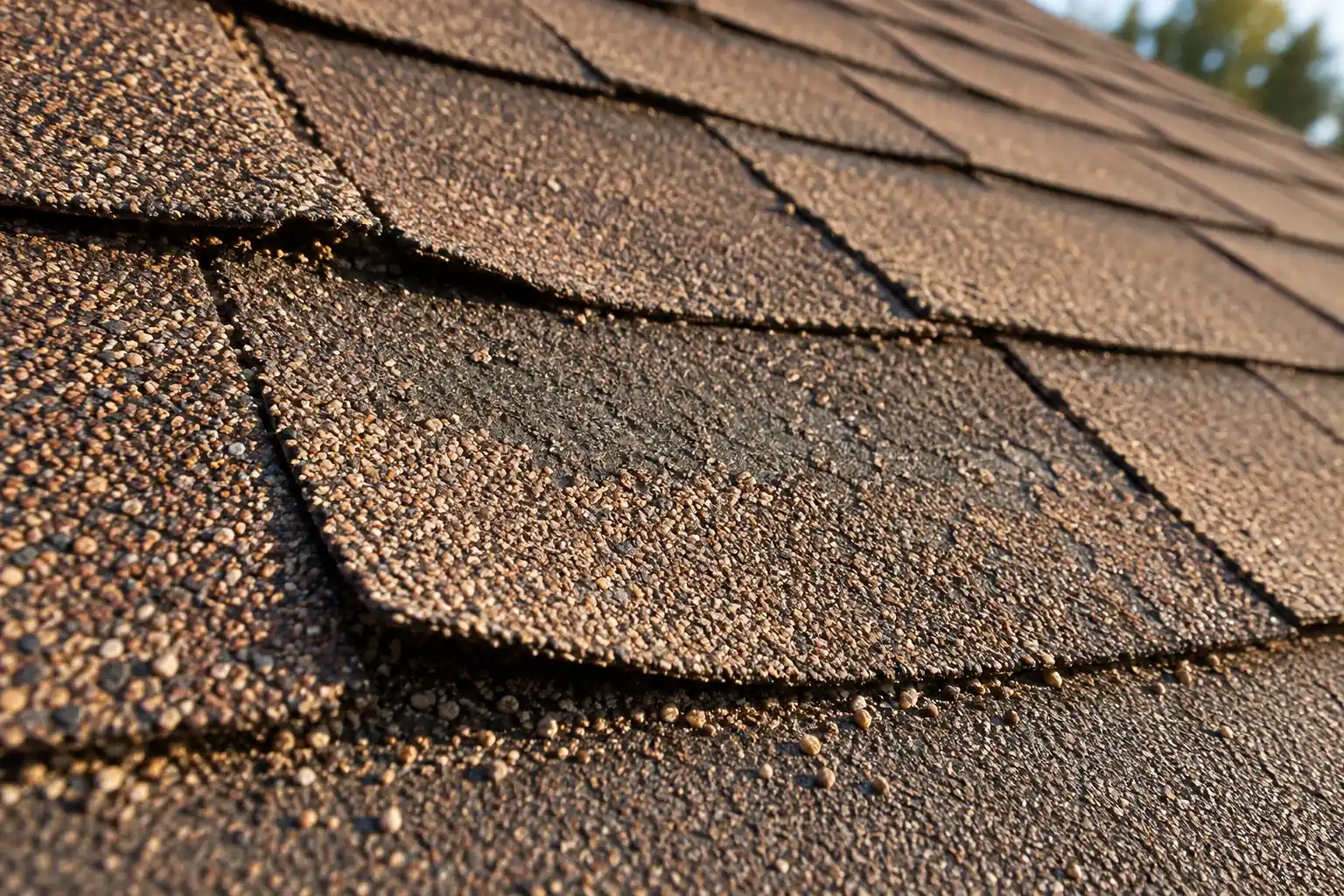
Roof condition
12 Signs You Need a New Roof
Know the visible and interior signs that deserve closer evaluation.Read the guide
Roof planning