Publication metadata
URL: /blog/best-time-of-year-replace-roof-virginia/
Target keyword: best time to replace roof Virginia
Title: When Is the Best Time to Replace a Roof in Virginia? — 52 characters
Meta description: Learn the best time to replace a roof in Virginia, how seasons affect shingle installation, scheduling, weather windows, and project planning. — 138 characters
Hero filename: best-time-of-year-replace-roof-virginia.webp
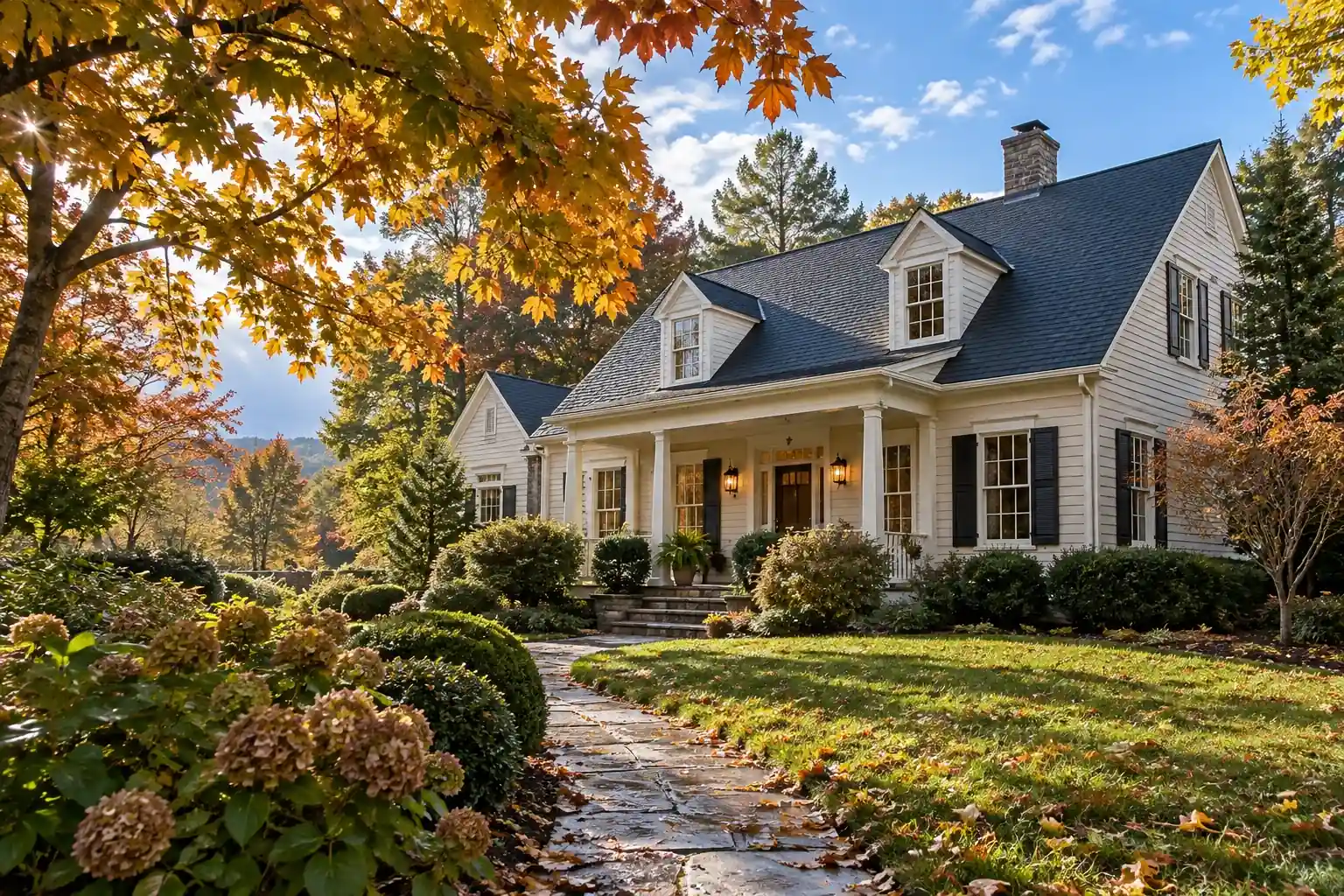
Hero alt: Roof replacement crew working on a Northern Virginia home during a clear fall weather window
Recommended hero dimensions: 1600 × 900
Publish/modified date: Use actual deployment date
The Best Time of Year to Replace a Roof in Virginia
For many Virginia homeowners, autumn is a practical season for a planned roof replacement. Summer heat has usually eased, temperatures are often comfortable for the crew, and suitable weather windows may remain before winter arrives. That does not make any particular month a universal answer. The right timing depends on the condition of the roof, the forecast, the selected materials, the crew’s schedule, and the installation requirements for that product.
First separate a roof that can be planned around the calendar from one that cannot safely wait. Active leaks, exposed roof areas, widespread missing shingles, or significant storm damage call for prompt evaluation. In that situation, the best time may be the first suitable weather window—not the homeowner’s preferred season.
A roof that is aging but still serviceable gives you more choices. Starting early lets you compare written scopes, settle material questions, address HOA questions if they apply, and reserve a reasonable installation window. It also helps you avoid making a major roofing decision while water is already entering the home.
Rain Guard Roofs serves Northern Virginia and schedules around the actual roof, weather, materials, access, and crew availability. The practical approach is to plan for a workable window rather than promise that one season is always best.
Season by Season: When Does Roof Replacement Make Sense?
Seasonal advice is useful only when it accounts for how roofing materials are installed. Asphalt shingles are designed to seal after installation through heat-activated adhesive strips. In cool conditions, that seal can take longer to activate. Manufacturers provide cold-weather procedures that may include hand-sealing, and those instructions vary by product. Winter work therefore depends on the selected product and the actual conditions, not simply on whether a contractor is willing to work.
| Season | Advantages | Main limitation | Planning takeaway |
|---|---|---|---|
| Spring | Moderate temperatures can create workable installation windows. | Storm-season demand can make scheduling less predictable. | Inspect and schedule early instead of waiting for a leak. |
| Summer | Longer daylight and generally workable installation conditions. | Heat can affect crews, materials, and daily work timing. | Summer can suit planned work, but schedule around heat and crew demand. |
| Autumn | Comfortable working conditions and useful weather windows before winter. | Its popularity means schedules can fill quickly. | It is often the practical sweet spot for a planned replacement. |
| Winter | Some contractors may have more availability or scheduling flexibility. | Cold, moisture, and sealant activation can constrain installation. | Use winter only when weather and product instructions support it; do not choose it simply for price. |
This table is a planning guide, not a promise that any season will always be safe or available. Roofing materials differ, and the installation instructions for the product selected for your roof control the details.
Spring Storm-Season Backlog
Spring can look ideal from a homeowner’s perspective. Winter has passed, temperatures become more comfortable, and a roof that made it through the cold months can finally be addressed. The catch is that many homeowners reach the same conclusion at the same time, so demand can rise quickly.
Storm activity can make a spring schedule less predictable as well. After wind or hail affects a service area, crews may need to prioritize emergency repairs and temporary protection before returning to planned replacements. That does not mean every spring will be overloaded. It does mean a calendar estimate made months earlier can change when the weather changes the amount of urgent work.
An inspection before the busy spring period can give an aging but non-emergency roof a clearer path forward. You can determine whether replacement is actually necessary, request a written scope, choose materials, address association questions, and reserve a reasonable installation window before the first major storm creates pressure.
If spring is your target, do not wait for the first leak to begin. A roof showing widespread wear should be evaluated while replacement is still a planning decision.
Summer Heat and Crew Scheduling
Summer brings longer days and many workable roofing days, but heat affects how the work is performed. Crews work on an exposed roof surface, and very hot conditions can make demanding installation tasks less comfortable and less efficient. The answer is not to rule out summer. It is to schedule intelligently around the conditions and allow the contractor to adjust the workday when needed.
Material handling matters during hot weather, too. Asphalt shingles become more pliable as they warm, which can help installation, while excessive heat can make bundles and roof surfaces difficult to handle. The selected manufacturer’s handling and storage instructions should be followed rather than applying a single rule to every product.
Summer is also a high-demand period for planned exterior projects. A roofer with a full schedule is not automatically a problem. A realistic window that accounts for existing commitments, weather, and material availability can be more useful than an immediate start date that does not explain the conditions behind it.
Instead of asking only, “Can you do it in July?” ask, “What conditions would cause you to move the installation, and how far ahead do you normally schedule?” The answer can tell you more about the contractor’s process and how the project will be managed.
Autumn as the Practical Sweet Spot
For many planned Virginia roof replacements, autumn is a practical sweet spot. Temperatures are often more comfortable than during the hottest part of summer, and suitable weather windows may remain before winter becomes more difficult. That combination is helpful when a homeowner is replacing a roof proactively instead of responding to an active failure.
Fall’s popularity is also its main limitation. Homeowners often want exterior work completed before colder weather, so desirable installation windows may be booked before the leaves reach their peak. If your roof is nearing replacement, an inspection in late summer or earlier gives you more choices.
Autumn also rewards preparation. Use the preceding months to compare scopes and materials, confirm the roof’s condition, and ask about ventilation, flashing, decking, and other components. When the installation window arrives, the scope can be defined instead of being decided under emergency conditions.
Autumn is not a magical temperature or a guaranteed result. Its real advantage is the combination of workable conditions and time to plan carefully when the roof is not yet an emergency.
Winter Pricing and Availability
Winter is sometimes presented as the season when homeowners can find more availability or better pricing. More availability can occur for some contractors, but neither availability nor pricing is universal. Schedules change with demand, storms, material availability, and each contractor’s workload. A winter price should not be assumed, promised, or used as the reason to select conditions that do not suit the product.
The more important winter question for asphalt shingles is sealing. Shingles use heat-activated sealant strips to bond courses after installation. At low temperatures, the sealant may not activate promptly. Depending on the product, manufacturer guidance can require additional precautions or hand-sealing for cold-weather work.
One major shingle manufacturer currently recommends installation at temperatures of at least 40°F for its shingles and explains that insufficient heat can delay sealant activation; its technical guidance also describes hand-sealing procedures for cold-weather work. Another major manufacturer likewise advises extra care below 40°F and permits hand-sealing when thermal sealing may not activate. These references are not a universal rule. The instructions for the actual shingles being installed remain the controlling source, and those instructions should be verified at deployment.
Winter replacement is not automatically impossible. It should be scheduled around the actual weather and roofing system, rather than around a broad marketing claim that roofing is a year-round business. If a roof is failing and a suitable window appears, waiting several months solely for a preferred season may allow a larger problem to develop.
How Weather Windows Actually Get Scheduled
A roofing crew does not choose a replacement date by looking only at the month. The usable window depends on the roof, materials, forecast, site conditions, crew availability, material delivery, and work already committed to other customers.
That is why “next month” can sometimes be a more reassuring answer than “tomorrow.” A realistic schedule suggests the contractor is accounting for booked projects, delivery, weather contingencies, and the time needed to do the work properly. Immediate availability is not automatically a concern, but it should come with a clear explanation of why the crew is free and how the project will be handled.
A useful scheduling conversation should answer these questions:
- What weather conditions would cause the installation to be postponed?
- When will the roofing materials arrive?
- Does the quoted window depend on a specific temperature or dry-weather condition?
- What happens if the forecast changes after the job is scheduled?
- Will the crew begin only after the roof deck and work area are ready?
- How will unexpected decking or concealed conditions discovered during tear-off be handled?
The goal is not to force a contractor to guarantee an exact date months in advance. Weather cannot be controlled. The goal is to understand how the contractor handles uncertainty and protects the project when conditions change.
Rain Guard Roofs states that project timing depends on the roof, access, material, jurisdiction, and scope. That is the right framework for a roofing schedule: provide a realistic window, then adjust within it when weather or site conditions require a change.
The Best Time Depends on Your Roof’s Condition
Seasonal timing should never override a roof that needs immediate attention. Active water intrusion, exposed areas, widespread missing shingles, or other significant damage should be evaluated promptly. Temporary protection may sometimes be appropriate while permanent work is scheduled, but the long-term decision should be based on the roof’s actual condition.
An aging roof that remains serviceable gives you planning leverage. You can inspect it, compare written scopes, select an appropriate material, and schedule the project when weather and contractor availability make sense. That is very different from postponing a failing roof simply to reach a preferred month.
If you are deciding between repairing the existing roof and replacing it, read our guide to roof repair vs replacement. If replacement is already the likely path, our roof replacement in Northern Virginia page explains the broader process and scope.
A Simple Timing Checklist
Before choosing a season or date, confirm that:
- The roof has been inspected recently enough to understand its current condition.
- You know whether the project is a repair, a replacement, or still a decision between the two.
- The roofing material has been selected or narrowed to products whose installation requirements are understood.
- You have a written scope instead of relying on a verbal description.
- You understand how concealed decking or other tear-off conditions will be handled.
- You have asked which weather conditions could move the installation date.
- You are scheduling early enough to avoid turning a planned replacement into an emergency.
Frequently Asked Questions
Is fall really the best time to replace a roof in Virginia?
Fall is often practical for a planned replacement because temperatures are generally more comfortable than summer extremes and suitable weather windows may remain before winter. It is not guaranteed to be the best season. Roof condition, forecast, material requirements, and contractor availability all matter, and a damaged roof may need attention sooner.
Can a roof be replaced in winter in Virginia?
Yes, winter replacement can be possible when the weather and the selected roofing product’s installation requirements support the work. Cold temperatures can affect asphalt-shingle flexibility and thermal sealant activation, so manufacturer instructions and cold-weather procedures must be followed. A failing roof should not be left exposed simply because it is winter.
What temperature is too cold for asphalt shingles?
There is no single universal temperature for every asphalt shingle. Manufacturer instructions vary by product. Around 40°F is an important cold-weather reference in current guidance from major shingle manufacturers, but the instructions for the actual product being installed control. Below the recommended conditions, additional handling or hand-sealing procedures may be required. Verify the selected product’s current instructions at deployment.
How far in advance should I schedule a roof replacement?
There is no reliable universal lead time because schedules change with season, storms, crew availability, materials, and project complexity. Start before the roof becomes an emergency. If it is aging or showing multiple warning signs, an inspection and written scope give you time to choose a suitable window and resolve questions before work begins.
Plan the Roof, Then Plan the Season
The best time to replace a roof in Virginia is not simply a month printed on a calendar. For a planned project, autumn is often a practical sweet spot. Spring and summer can also offer good installation opportunities when the schedule and weather cooperate. Winter can work when the product and conditions allow it, but cold-weather installation requires closer attention to material handling and sealant activation.
The larger point is simple: schedule the roof before the roof schedules you. An inspection provides the information needed to decide whether replacement is necessary, while early planning gives you more control over the installation window and less pressure if the forecast changes.
Rain Guard Roofs can inspect your roof, document visible conditions, and explain whether repair or replacement is the appropriate next step. Call Rain Guard Roofs at (571) 867-1776 or book your phone consultation at /book-phone-consultation/.
Publication / implementation notes
- Create /blog/best-time-of-year-replace-roof-virginia/index.php and preserve the trailing-slash URL.
- Add the WebP hero image using the filename and alt text specified in Publication metadata.
- Add the post to /blog/ in newest-first order.
- Add the canonical URL to sitemap.xml.
- Run the site validator before publication.
- Do not publish unsupported pricing, insurance outcomes, certification tiers, legal/code claims, review counts, awards, or customer/project claims.
- Cold-weather temperature guidance is based on current manufacturer technical guidance; verify the exact selected shingle’s installation instructions at deployment.
- No unverified company facts have been added to the public-facing article.
Keep planning
Related roofing guides
Roof condition
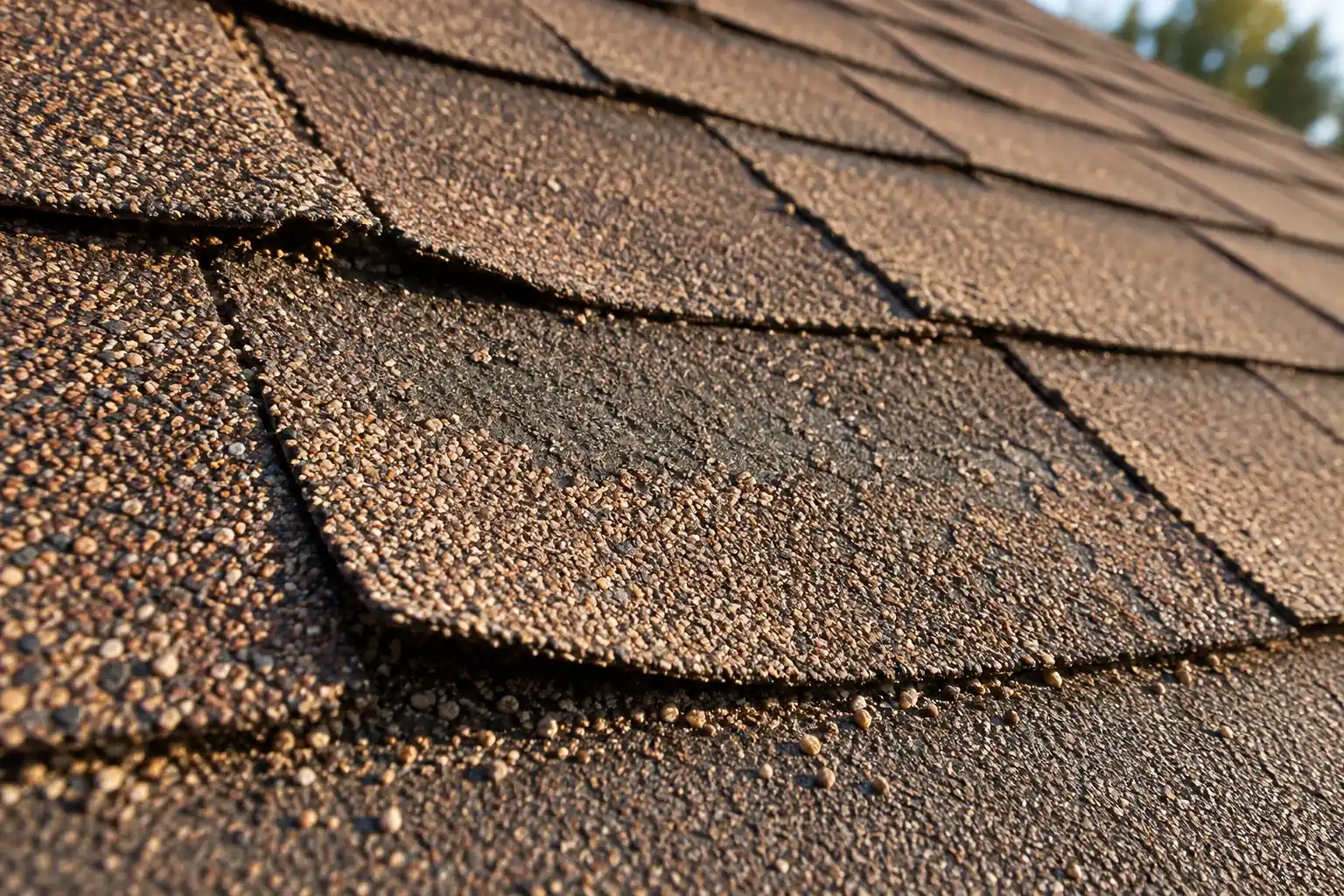
12 Signs You Need a New Roof
Learn which warning signs call for an inspection and which may still be repairable.Read the guide
Roof lifespan