12 Signs You Need a New Roof
A roof does not always fail suddenly. Many roofs show warning signs months or years before replacement becomes necessary. Missing shingles, recurring leaks, visible aging, damaged flashing, poor ventilation, and interior moisture can all indicate that the roofing system needs a closer evaluation. The right decision depends on the combination of symptoms, not on one issue alone.
A single missing shingle does not automatically mean that replacement is required. In the same way, a roof that looks acceptable from the ground may have problems beneath the surface. The purpose of this guide is to help you recognize patterns and know when an inspection is appropriate.
In practical terms, the goal is to determine whether the roof has:
- one isolated, repairable problem;
- multiple aging components that should be addressed together; or
- a larger system failure that is approaching replacement.
Rain Guard Roofs evaluates roof condition through inspection and documentation so homeowners can understand whether repair or replacement makes more sense. For more information, see our guide on roof replacement in Northern Virginia.
12 Signs You Need a New Roof Checklist
Interior Signs
1. Water Stains on Ceilings or Walls
Interior stains are often one of the first signs a homeowner notices. Brown discoloration, bubbling paint, peeling areas, or damp spots can indicate that water has entered the building envelope. They are important clues, but they do not always identify the exact point where water entered the roof.
Water can travel along framing or roof components before becoming visible inside the home. As a result, patching directly above the stain may not address the source. The visible location should be documented and investigated alongside the roof surface, flashing, penetrations, and attic conditions.
2. Moisture or Damp Attic Conditions
The attic provides useful information about roof performance. Damp insulation, moisture buildup, staining, or condensation can indicate ventilation problems or water intrusion. These signs may appear above the ceiling before obvious exterior damage is visible from the ground.
An inspection should consider the exterior roofing materials and the interior conditions together. Looking at only one side can miss the relationship between a roof detail, airflow, and the moisture pattern inside the home.
3. Visible Light Through the Roof Deck
If daylight is visible through an area where it should not be, the roof system may have an opening or damaged section that requires attention. Small gaps, damaged decking, and deteriorated roofing components can permit water entry during rain events.
This condition should be evaluated promptly. A small opening can expose additional materials underneath the roof covering, and the visible gap may not show the full extent of the problem.
4. Repeated Interior Repairs From Roof Leaks
A single leak repair does not necessarily indicate that the roof needs replacement. Repeated interior repairs caused by recurring roof problems are different. They suggest that the underlying issue may not have been fully resolved, particularly when moisture keeps returning after work has been completed.
If different areas continue to develop moisture problems, the roof should be evaluated as a complete system rather than treating every leak as an unrelated event. Repair history is useful evidence when deciding whether the next step should be another focused repair or a broader project.
5. Higher Moisture Levels Around Roof Areas
Moisture concerns near ceilings, attic spaces, or upper walls can indicate that roofing components are no longer managing water properly. The source may involve shingles, flashing, penetrations, ventilation, or another roof detail. Moisture alone does not identify which component has failed.
Documenting where moisture appears, when it appears, and how it relates to exterior conditions helps determine whether repair or replacement is appropriate. That context is more useful than assuming the nearest visible roof area is automatically the source.
6. Attic Ventilation Problems
Poor attic ventilation can contribute to premature roof aging by allowing excessive heat and moisture buildup. Ventilation problems are often overlooked because a homeowner cannot see them from outside. They can also exist alongside otherwise ordinary-looking shingles.
When replacement is being considered, the ventilation system should be evaluated as part of the roof system. Installing new roofing over the same underlying ventilation issue may allow the new materials to age prematurely. The condition of the roofing material and the performance of the space beneath it both matter.
Exterior Signs
7. Curling, Cracking, or Missing Shingles
Shingles protect the roof system from weather exposure. Curling edges, cracked shingles, missing sections, or widespread surface deterioration can indicate that the roofing material is approaching the end of its useful service life. A few damaged shingles may be repairable, especially when the surrounding roof remains in good condition.
Widespread deterioration across multiple roof areas calls for a broader evaluation. The question is not simply how many shingles look damaged, but whether the roof can still be repaired as an otherwise serviceable system.
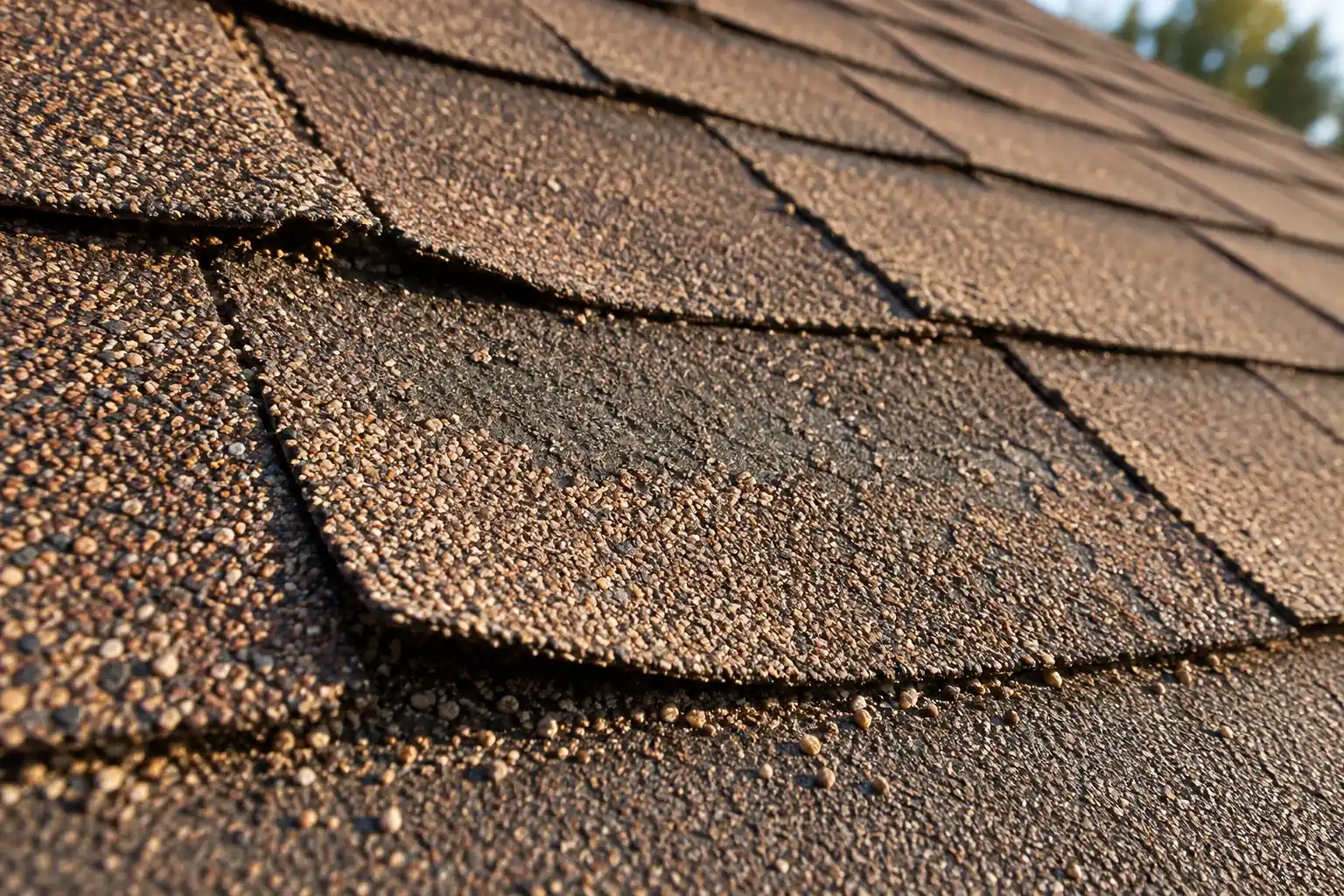
8. Excessive Granule Loss
Asphalt shingles contain protective granules that help shield the material from sunlight and weather. Excessive granules collecting in gutters, or visibly bare and thinning areas across the roof, may indicate aging shingles. Granule loss is a useful observation, but it is not an automatic replacement diagnosis.
Consider granule loss together with roof age, leak history, the extent of the affected areas, and overall material condition. A documented inspection can distinguish an isolated concern from a broader pattern of surface deterioration.
9. Damaged or Failing Flashing
Flashing protects vulnerable roof transitions around chimneys, walls, vents, valleys, and other penetrations. Damaged, rusted, loose, or improperly functioning flashing can allow water into the places where roofing materials meet. These transitions deserve careful attention because leaks may begin there rather than in an open field of shingles.
Flashing condition is therefore an important part of any replacement evaluation. A problem around one penetration may be repairable, while failing details in several areas may indicate that the roof needs a more complete assessment.
10. Sagging Roof Areas
A roofline that appears uneven, dips, or sags may indicate concerns beyond the roofing surface. Possible causes can include moisture damage, deteriorated decking, or structural issues. The appearance alone does not establish the cause, but it is a reason to arrange an evaluation rather than covering the area with new material.
Installing new roofing over an unhealthy underlying structure does not solve the actual problem. If damaged decking is involved, the condition beneath the visible roof covering must be understood before the project scope can be determined.
11. Moss, Algae, or Heavy Organic Growth
Northern Virginia’s humidity, shade, and tree cover can create conditions in which algae and moss become more common. Dark streaks may primarily affect appearance, but heavy organic growth can contribute to moisture retention. Roof areas that remain damp for extended periods deserve attention.
Organic growth is more significant when it appears alongside aging materials, poor drainage, or other warning signs. Its presence by itself does not establish that replacement is necessary, so the overall roof condition still needs to be considered.
12. Roof Age Combined With Increasing Problems
Age alone does not determine whether a roof should be replaced. A properly maintained roof may continue performing beyond a typical planning range, while another roof may require attention sooner because of ventilation issues, storms, moisture, or installation conditions.
The more useful question is whether age is occurring alongside other warning signs:
- recurring leaks;
- widespread shingle deterioration;
- damaged flashing;
- poor ventilation;
- previous repairs; or
- visible material failure.
When several conditions appear together, replacement becomes more likely. When the problem is localized and the remaining system is healthy, a targeted repair may still be appropriate.
Roof Age by Material
Material type is one of the biggest factors affecting expected roof life. The table below is a planning reference, not a promise of performance for any individual roof. Check the selected manufacturer’s current product documentation when planning a specific replacement.
Planning note: A roof reaching the upper end of an expected lifespan does not automatically require replacement. Material condition, installation details, maintenance, weather exposure, ventilation, and inspection findings matter more than the calendar alone.
| Roofing material | Typical lifespan in Virginia | Common factors affecting lifespan |
|---|---|---|
| Asphalt shingles | Varies by product and condition | Ventilation, algae, storms, installation quality |
| Standing seam metal roofing | Varies by product and condition | Coating, fasteners, installation details |
| Composite shake roofing | Varies by product and condition | UV exposure, impact, installation |
| Cedar shake roofing | Varies by product and condition | Moisture management, shade, maintenance |
| Slate roofing | Varies by material and detailing | Slate quality, flashing, supporting structure |
Two or More Signs Together: When Replacement Becomes More Likely
One warning sign does not always mean that you need a new roof. A missing shingle after a storm may be a repair issue, and a flashing problem around one penetration may also be repairable. The decision changes when several signs appear together or when the same problem keeps returning.
These combinations illustrate why the entire system matters:
- Aging roof and recurring leaks: A roof near the later part of its service life with repeated leaks may no longer be a good candidate for isolated repairs.
- Damaged shingles and poor ventilation: Replacing shingles without addressing ventilation problems may allow premature aging of the new roof system.
- Visible damage and decking concerns: If damaged decking appears after roofing materials are removed, the project scope may become larger than the original visible problem.
- Multiple repairs across different areas: A history of repeated repairs can indicate that the roof system is aging as a whole rather than experiencing one isolated failure.
A documented inspection helps separate a roof that needs one targeted repair from one approaching replacement. For a deeper comparison, read: Roof repair vs replacement.
Frequently Asked Questions
How do I know if I need a new roof or just a repair?
The answer depends on the extent of damage, roof age, repair history, material condition, flashing, ventilation, and decking condition. A localized issue on an otherwise healthy roof may only require repair, while multiple aging problems together may indicate that replacement is the better long-term option. An inspection and written documentation can clarify which conditions are present.
What is the biggest sign that a roof needs replacement?
There is usually not one single sign. A combination of recurring leaks, widespread shingle deterioration, failing flashing, ventilation problems, structural concerns, and advanced age provides a stronger indication that replacement should be considered. Even then, the actual condition of the system determines the appropriate next step.
Should I replace my roof based only on its age?
No. Age is only one factor. Two roofs installed during the same year can have different remaining life depending on material, installation quality, maintenance, weather exposure, ventilation, and previous repairs. The calendar can signal that an evaluation is worthwhile, but it cannot replace an assessment of the roof’s condition.
Find Out What Your Roof Actually Needs
The signs above can help you know when to schedule an evaluation, but the final decision should be based on the actual condition of the roofing system. Avoid sealing over a symptom without identifying its source. Photos, the timing of leaks, repair history, and notes about where moisture appears can all help an inspector understand what is happening.
Rain Guard Roofs can inspect your roof, document visible conditions, and explain whether repair or replacement is the more appropriate next step. Call Rain Guard Roofs at (571) 867-1776 or book your free inspection to discuss your roof in Northern Virginia.
Keep planning
Related roofing guides
Roof decisions
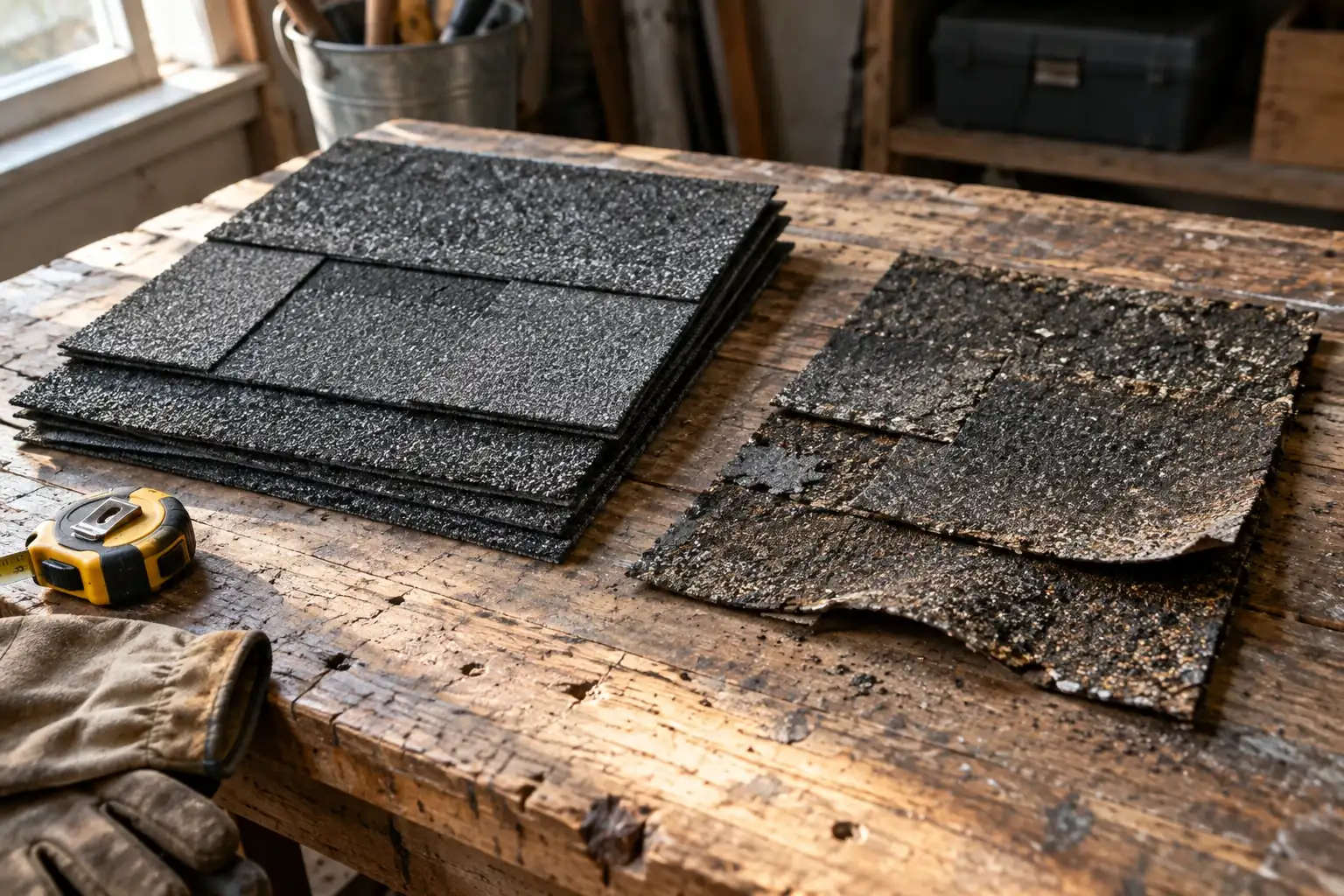
Roof Repair vs. Replacement: How to Decide
Use inspection evidence to separate an isolated repair from a broader roof decision.Read the guide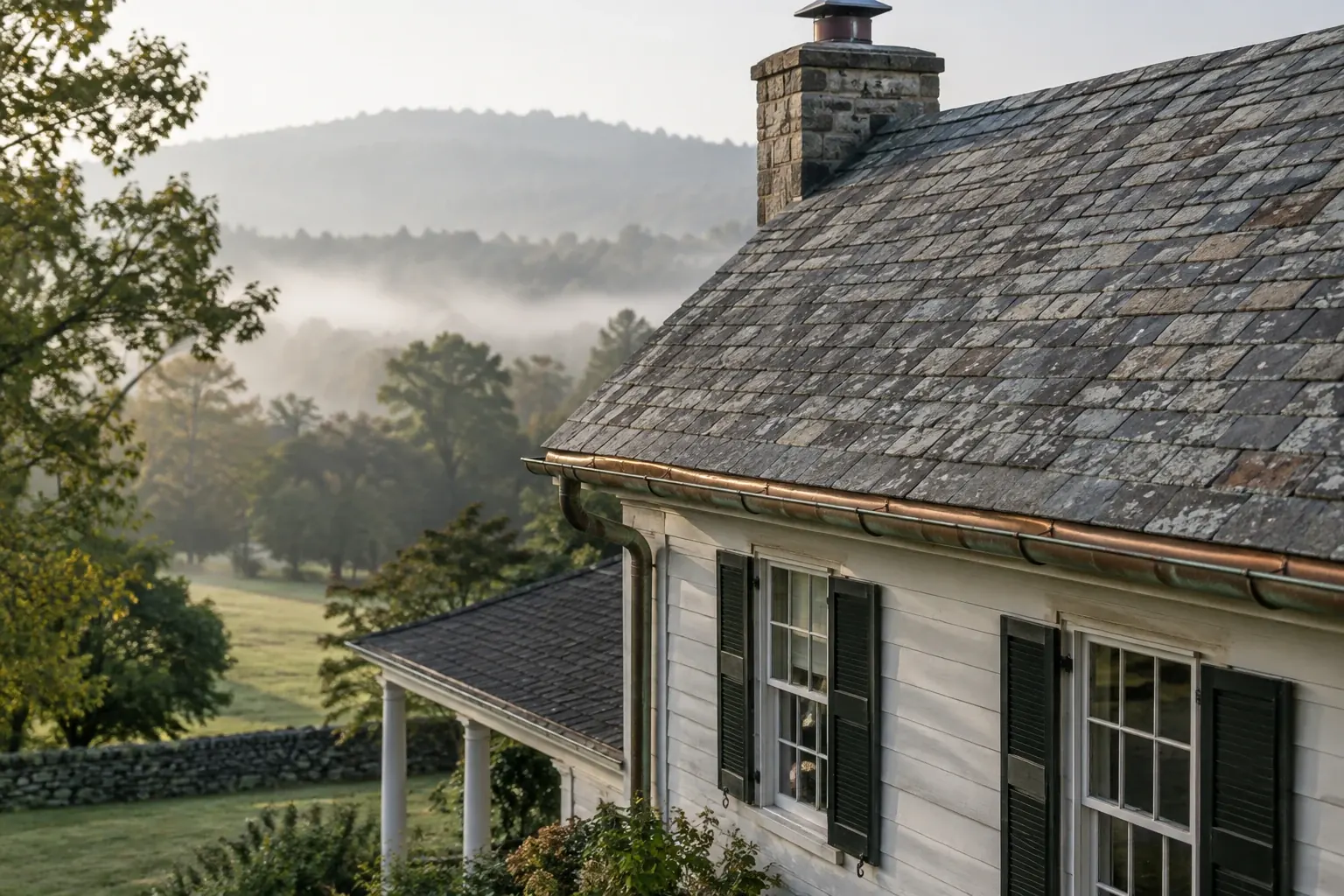
Roof lifespan