Roofing resource
A roof project brief for boards and property managers
Give prospective contractors a common description of the building and the decision you need to make. This makes proposals easier to compare and reduces repeated requests for basic information. Mark unknown information as unknown rather than guessing the roof system or installation date.
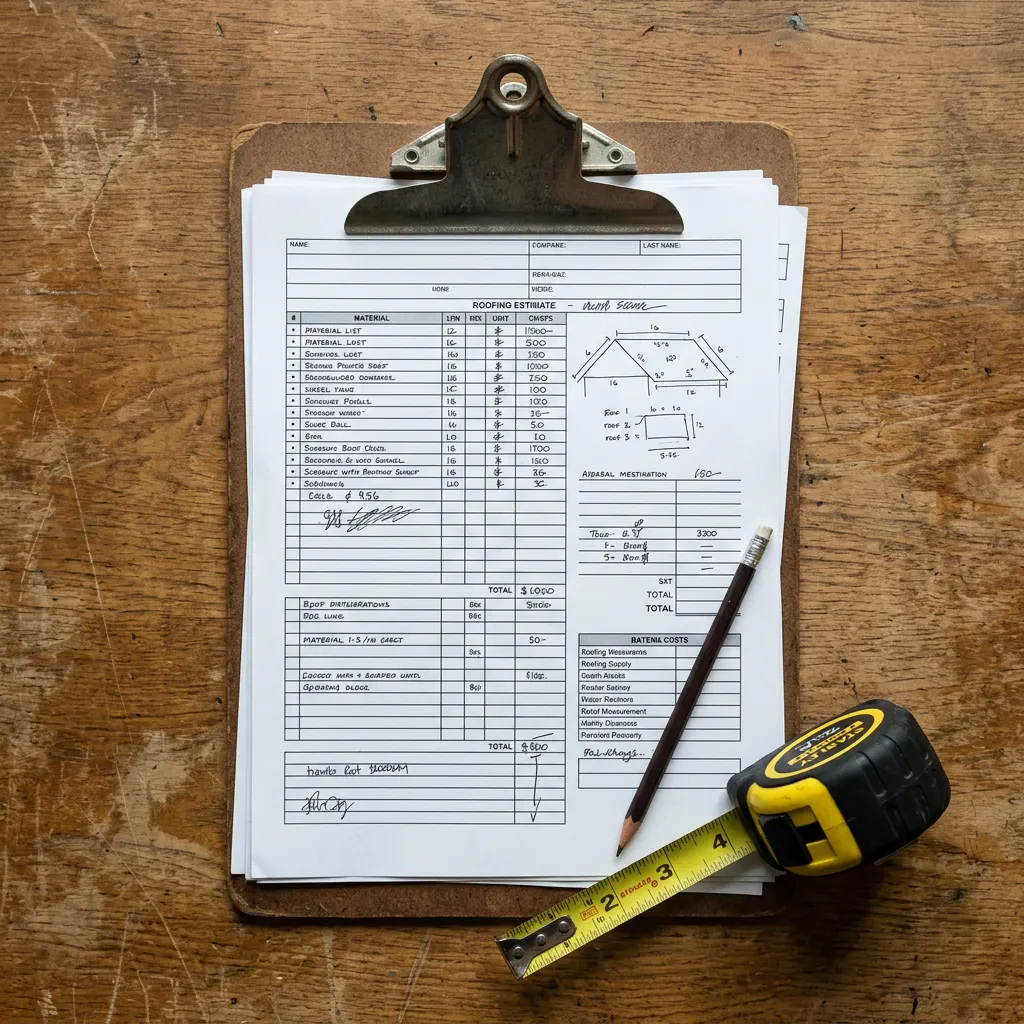
Property and decision contacts
Building name and address: ____________________
Owner or association: ____________________
Authorized scope and contract contact: ____________________
Site-access contact: ____________________
Decision process and relevant meeting dates: ____________________
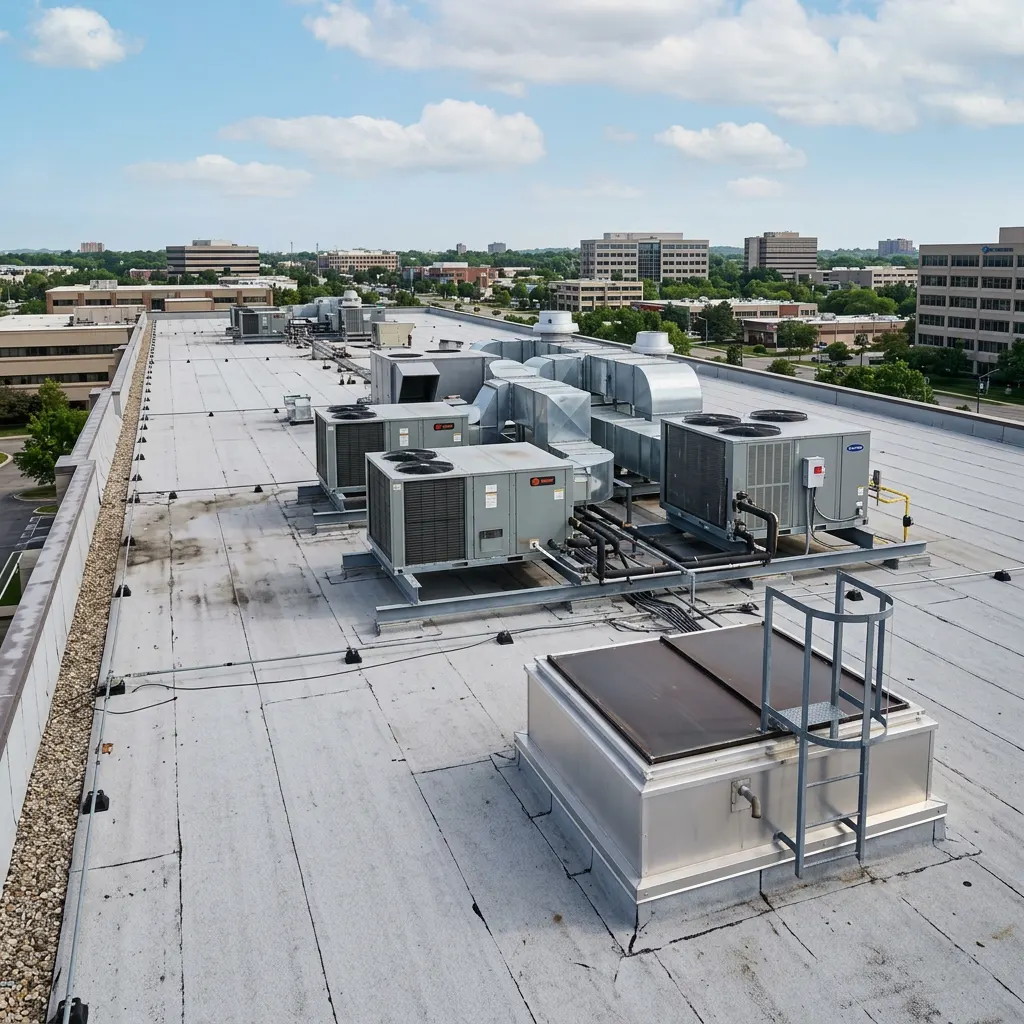
Describe each roof area separately
| Roof area | System and history, if known | Reported issue | Available records |
|---|---|---|---|
| Building / section A | |||
| Building / section B | |||
| Building / section C |
Include previous repair invoices, available roof plans, product or warranty records, and dated reports of interior water entry. Identify the room or tenant location associated with each report. The leak's indoor location helps organize an investigation but does not establish the roof entry point.
Explain the building's operation
Record roof-access arrangements, loading areas, staging constraints, normal occupancy, busy periods and any sensitive operations. Identify rooftop equipment managed by other contractors. Note entrances and accessible routes that must be considered in the work plan.
Clarify who sends occupant notices, who can grant access, and who can authorize a change. If the board meets on a fixed schedule, establish how construction decisions will be handled between meetings under the association's own procedures.
State the decision requested
Choose the relevant scope for discussion: investigate an unresolved leak; price defined repairs; compare repair and replacement options; evaluate coating suitability; plan replacement by roof area; or organize future maintenance. More than one option can be considered, but the proposal should distinguish their purposes and limitations.
Ask each contractor to identify included roof areas, assessment limitations, proposed materials, preparation, details, access assumptions, exclusions and change procedures. An optional future phase should be separate from work currently authorized. Do not treat an unassessed roof section as having a confirmed remaining life.
Define the handover
Request a final record of completed areas, approved changes, products and applicable warranty or maintenance documents. Keep the information accessible to the next property manager and identify the contact for future service requests. Document retained roof areas as well as new work.
See the Tysons managed-property guide, Arlington association guide, or commercial roofing services. Book a phone consultation with Rain Guard Roofs to confirm suitability and discuss the next step for the building.
Talk through your roof